
Pool Deck Resurfacing Cost: What to Expect and How to Budget
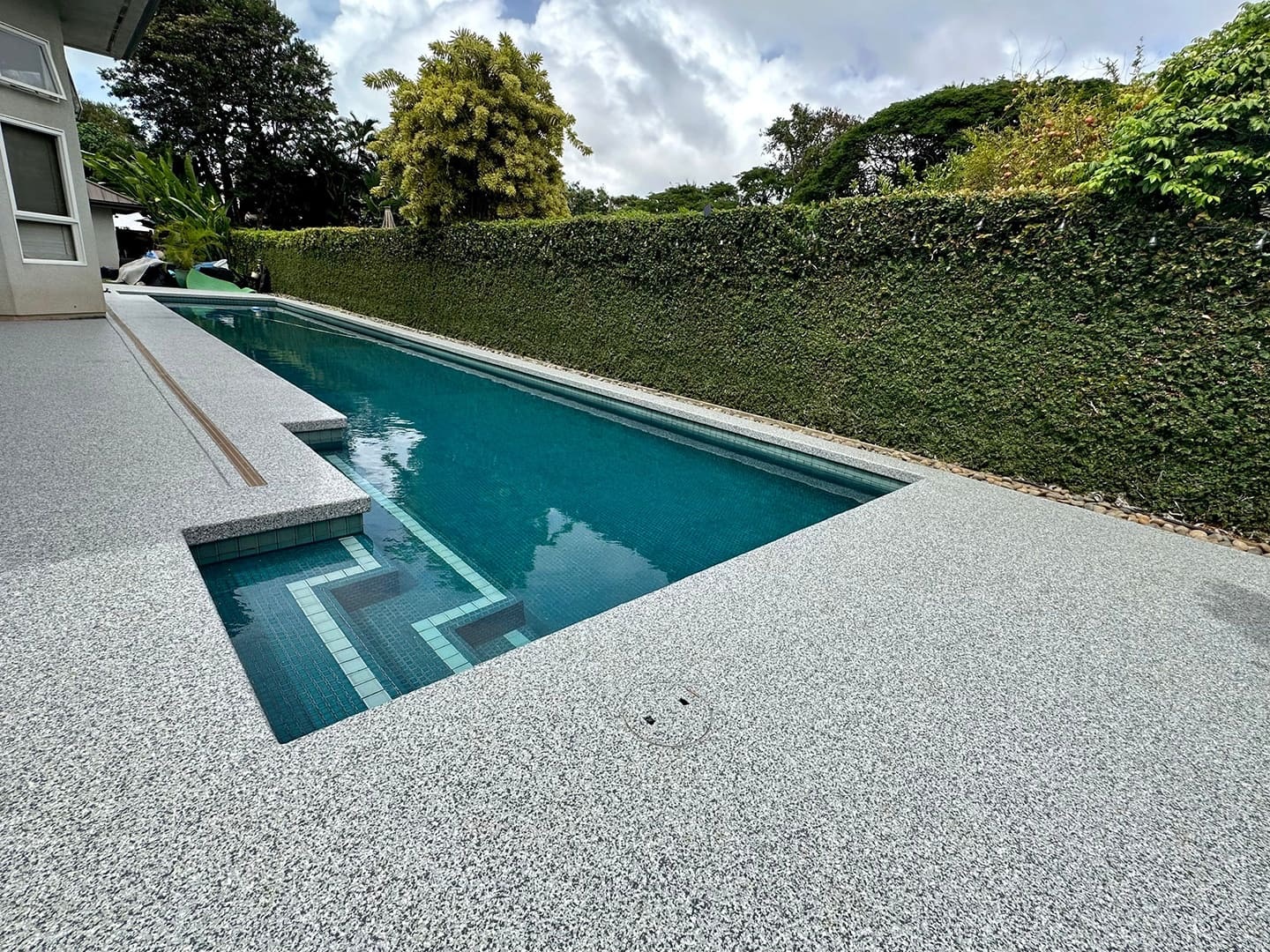
Thinking about upgrading your pool deck but unsure about the cost? Understanding the pool deck resurfacing cost is crucial for planning your renovation and avoiding budget surprises. This guide will walk you through the key pricing factors, material types, and what to expect when hiring a contractor.
What is Pool Deck Resurfacing?
Pool deck resurfacing involves restoring and upgrading the surface around your pool using overlays, coatings, or new materials. It’s done to improve appearance, durability, slip resistance, and comfort underfoot.
Whether your deck is cracked, faded, or just outdated, resurfacing can make it look brand new without full replacement.
Average Cost of Pool Deck Resurfacing
The average cost of pool deck resurfacing typically ranges between $6 and $15 per square foot, depending on material, surface condition, and finish type.
For example:
-
Basic overlay or spray texture: $6–$10/sq. ft.
-
Stamped concrete overlay: $8–$12/sq. ft.
-
Rubber or polymer coatings: $10–$15/sq. ft.
A 500 sq. ft. pool deck could cost anywhere from $3,000 to $7,500, depending on options.
Factors That Affect Resurfacing Pool Deck Cost
Several variables determine the final resurfacing pool deck cost:
-
Material type: Concrete overlays, rubber coatings, or pavers vary significantly in cost.
-
Condition of existing surface: Repairs and prep work increase cost.
-
Custom finishes: Stamping, staining, or anti-slip textures raise the price.
-
Labor rates: Costs vary by region and contractor experience.
Always ask for detailed estimates that break down material and labor.
Cost of Pool Deck Resurfacing by Material
Let’s break down the cost of pool deck resurfacing based on popular material options:
Concrete Pool Deck Resurfacing Cost
Concrete pool deck resurfacing cost ranges from $6 to $12 per square foot. Concrete is durable, customizable, and cost-effective, making it the most popular option.
Pros:
- Long-lasting
- Affordable
- Compatible with decorative finishes (e.g., stamping, staining)
Cons:
- Can crack without proper control joints
- Requires sealing every few years
Rubber Pool Deck Resurfacing Cost
Rubber pool deck resurfacing cost ranges from $10 to $15 per square foot. Rubberized coatings are soft, slip-resistant, and comfortable, ideal for families with kids.
Pros:
- Cushioned surface reduces injury risk
- UV- and chemical-resistant
- Available in vibrant colors
Cons:
- Higher upfront cost
- Limited design complexity
How to Choose Between Materials
Choosing the right resurfacing material depends on your goals:
-
For budget-conscious homeowners: Concrete is a smart, versatile choice.
-
For comfort and safety: Rubber coatings offer added cushioning and traction.
-
For visual appeal: Stamped overlays provide high-end style.
Pool Deck Resurfacing Contractors: What to Look For
Hiring experienced pool deck resurfacing contractors ensures quality results. Here’s what to consider:
- Portfolio of past work
- Licensed and insured
- Clear warranty terms
- Good reviews or referrals
- Written estimate with material breakdown
Ask about timelines, prep work, and sealing procedures before signing a contract.
Cost-Saving Tips
Want to reduce your pool deck resurfacing cost? Consider these strategies:
- Resurface during off-peak seasons when contractors offer discounts.
- Choose minimal decorative elements to cut design costs.
- Handle minor prep tasks yourself if safe and allowed.
- Bundle services like patio and pool deck resurfacing to negotiate better pricing.
FAQs
How much does it cost to redo a pool deck around a pool?
The cost to redo a pool deck typically ranges from $6 to $15 per square foot, depending on the resurfacing material, design complexity, and size of the area. For an average 600–800 sq ft deck, total costs may range between $4,000 and $12,000. Basic overlays like knockdown texture or spray deck are on the lower end, while decorative concrete coatings, stamped overlays, or pavers increase the price. Additional costs may apply for repairs, slope corrections, and sealants.
What is the cheapest way to resurface a pool deck?
The most cost-effective way to resurface a pool deck is using a spray texture or knockdown finish, often referred to as “cool deck” systems. These use a thin concrete overlay that’s sprayed or troweled onto the existing surface, then finished with texture for slip resistance and comfort. It’s affordable, easy to apply, and reflects heat better than standard concrete. DIY resurfacing kits can lower costs, but for durability and safety, professional installation is recommended.
How long does pool deck resurfacing last?
With proper installation and maintenance, pool deck resurfacing can last 10 to 15 years or more. Longevity depends on the type of material used, foot traffic, UV exposure, and whether it’s protected with a quality sealer. Regular cleaning and resealing every few years will extend the surface’s lifespan and preserve its appearance. High-end coatings and stamped overlays tend to outlast basic textures but require slightly more upfront investment.
How do you resurface a pool deck?
Resurfacing a pool deck involves several steps to ensure durability and adhesion:
- Surface Preparation – Clean the deck, remove stains, and repair cracks or damaged areas.
- Etching or Grinding – Improve surface profile for better overlay bonding.
- Overlay Application – Apply decorative concrete, micro-topping, or spray texture.
- Texturing and Coloring – Add slip resistance, patterns, or color tints as desired.
- Sealing – Finish with a UV-resistant, water-repellent sealer for protection.
Professionals may use different materials like polymer-modified cement, stamped overlays, or acrylic coatings depending on the design and surface condition.
What is pool resurfacing called?
Pool resurfacing is commonly referred to as pool deck resurfacing (for the deck area) and pool plastering or pool refinishing (for the interior basin). For the surrounding area, terms like:
- Decorative concrete overlay
- Spray deck
- Stamped concrete resurfacing
- Knockdown texture
are all widely used depending on the finish. Each refers to methods used to rejuvenate the look, function, and safety of the poolside environment.
Maintenance Tips for a Long-Lasting Pool Deck
Proper care ensures your resurfaced pool deck stays in great shape for years. Here are the top maintenance tips:
-
Seal regularly: Reapply sealer every 2–3 years to protect color, texture, and structural integrity.
-
Clean frequently: Remove dirt and debris with a broom or hose weekly.
-
Avoid harsh chemicals: Use pH-balanced or concrete-safe cleaners.
-
Inspect for damage: Check for cracks, fading, or surface wear each season.
-
Address issues early: Prompt repairs can prevent larger, more expensive problems later.
Following these steps not only preserves the aesthetic of your pool deck but also protects your investment.
Comparing Resurfacing to Other Pool Deck Options
If you’re considering pool deck improvements, it’s worth comparing resurfacing with other alternatives:
|
Feature |
Resurfacing |
Full Replacement |
Tile Overlay |
Painting |
|---|---|---|---|---|
|
Estimated Cost |
$6 – $15 per sq ft |
$25 – $50+ per sq ft |
$15 – $30 per sq ft |
$2 – $5 per sq ft |
|
Durability |
High |
Very High |
Moderate |
Low |
|
Visual Appeal |
High |
Very High |
High |
Moderate |
|
Maintenance |
Moderate |
Moderate |
High |
High |
|
Lifespan |
10 – 15 years |
20+ years |
5 – 10 years |
2 – 4 years |
Resurfacing strikes the ideal balance between cost and long-term results, especially for homeowners who want to refresh the look without extensive demolition.
Signs It’s Time to Resurface Your Pool Deck
Not sure if it’s time for an upgrade? Here are signs your deck needs resurfacing:
- Cracks and chips
- Faded or peeling surface
- Rough texture or unsafe areas
- Mold, mildew, or staining
- Outdated style or poor curb appeal
If your pool area shows any of these issues, a resurfacing project can restore function and appearance quickly and affordably.
Enhancements to Consider During Resurfacing
While resurfacing improves the base layer, you can also integrate custom features:
- Decorative borders with contrasting colors
- Stencils or logos for personalized touches
- Glow-in-the-dark aggregates for nighttime appeal
- Cool deck coatings that reduce surface temperature
Mesa Epoxy can include these upgrades in your estimate to help you design a poolside oasis tailored to your needs.
Common Mistakes to Avoid When Resurfacing
To ensure the best outcome, avoid these common pitfalls during your pool deck resurfacing project:
-
Skipping prep work: Poor surface preparation leads to delamination or early wear.
-
Using the wrong material: Not all coatings are suitable for outdoor pool environments. Trust professional guidance.
-
Neglecting drainage issues: Improper slope or drainage can cause pooling and damage to new surfaces.
-
Underestimating timeline: Rushing through cure times can compromise the finish.
-
Hiring unlicensed contractors: Always verify licensing, insurance, and past project reviews.
Partnering with experienced professionals like Mesa Epoxy ensures your project is completed correctly, beautifully, and on budget.
Understanding the cost of pool deck resurfacing helps you make informed decisions about materials, contractors, and timing. Whether you opt for concrete, rubber, or a custom overlay, resurfacing can significantly enhance the beauty, safety, and value of your pool area.
Schedule a Free Pool Deck Assessment with Mesa Epoxy Today!
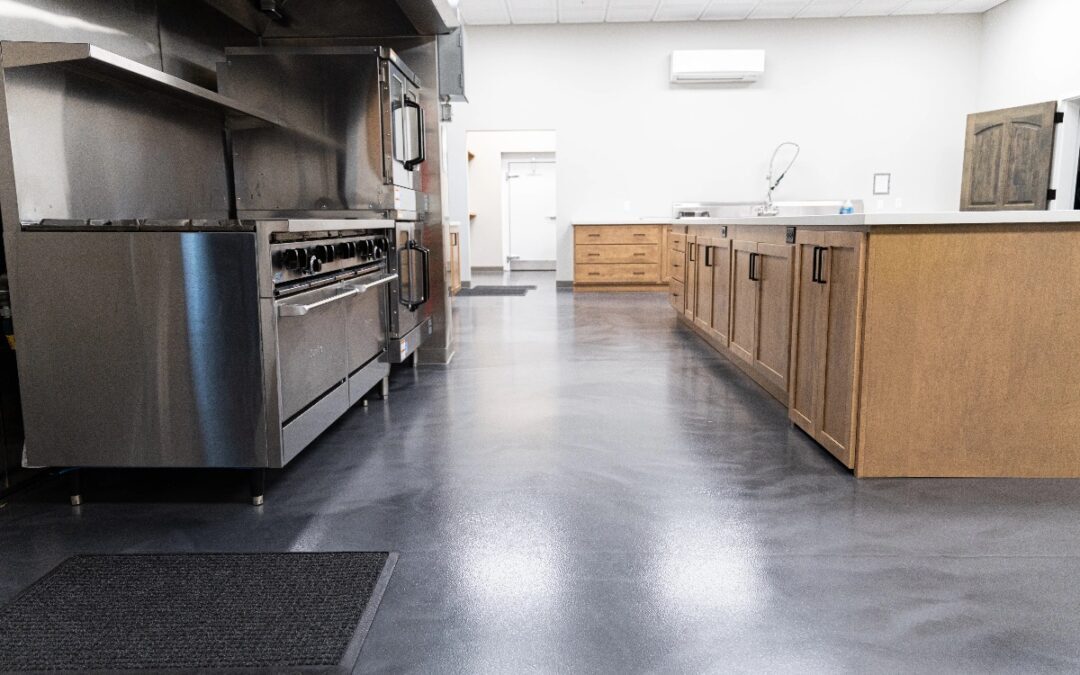
Commercial Kitchen Epoxy Flooring Chandler AZ: Durable & Hygienic Solutions
In a commercial kitchen, the floor is more than just a surface to walk on—it’s a critical part of safety, cleanliness, and daily efficiency. From constant foot traffic and heavy equipment to grease spills and aggressive cleaning routines, few environments are as...
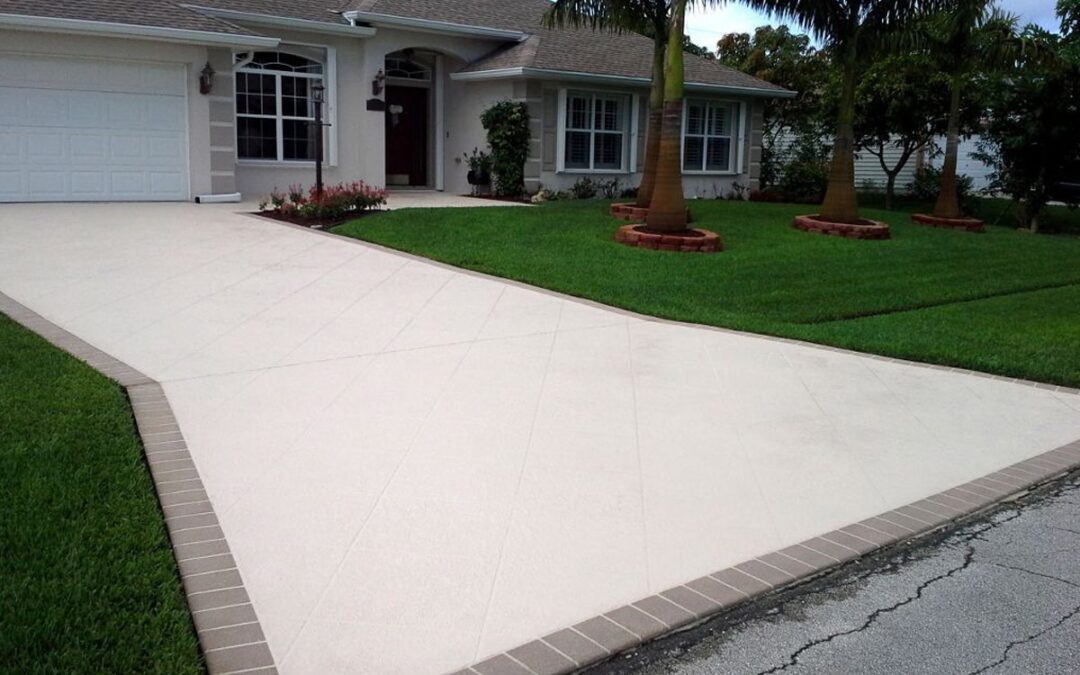
Concrete Overlay: Transform Your Floors with Durable & Stylish Solutions
If your concrete floors are cracked, stained, uneven, or simply outdated, replacing them entirely can be expensive and disruptive. A concrete overlay offers a smarter alternative. By applying a new decorative surface over your existing slab, you can dramatically...
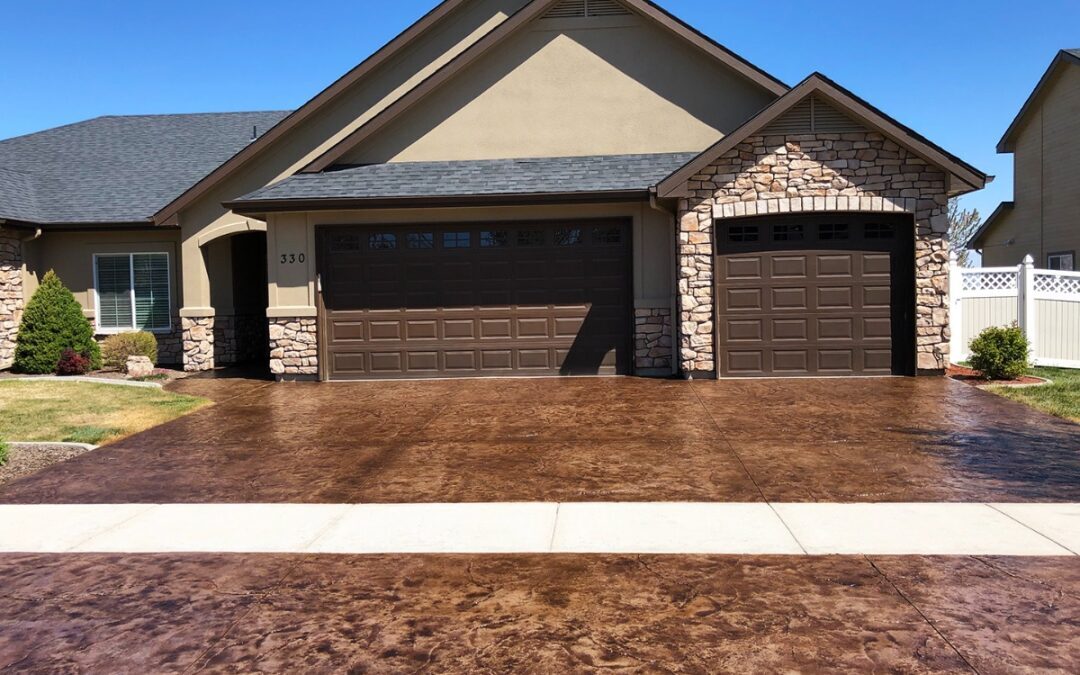
Stained Concrete Garage Floor Chandler AZ: Stylish & Durable Flooring Solutions
A garage doesn’t have to be a dull, unfinished space. With a professionally installed stained concrete garage floor, your garage can become one of the most attractive and functional areas of your property. Homeowners and business owners throughout Chandler are...
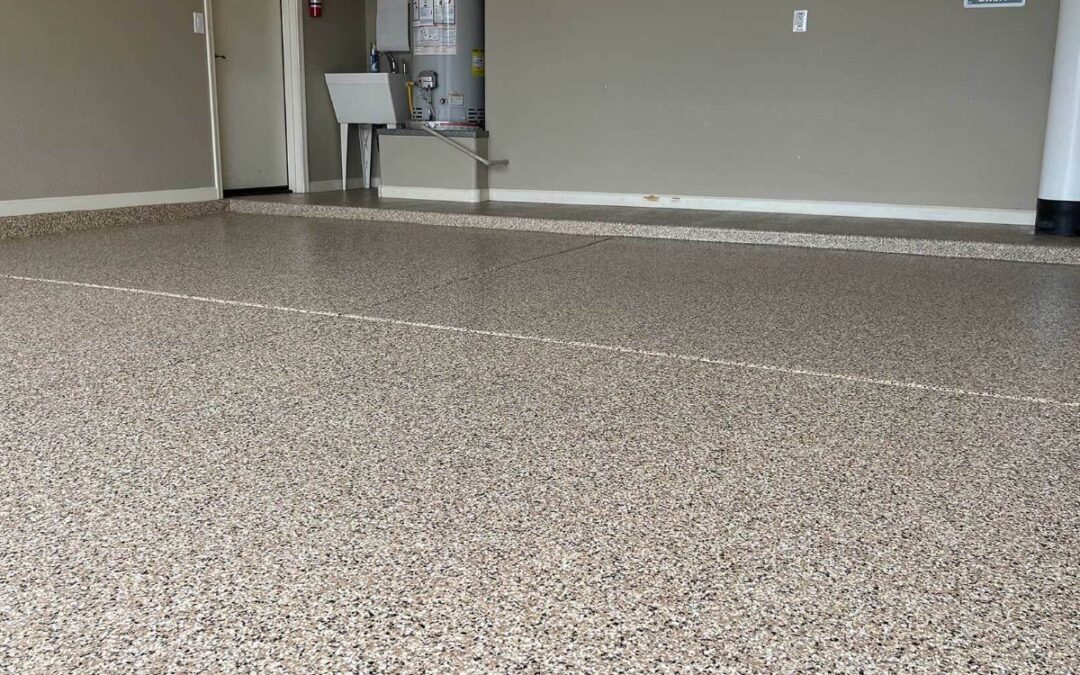
Garage Coating Chandler AZ: Durable & Stylish Garage Floor Solutions
Your garage doesn’t have to be a dull, dusty space with stained concrete and visible cracks. With professional garage coating in Chandler AZ, you can transform your garage into a clean, durable, and visually appealing extension of your home or business. Today’s...
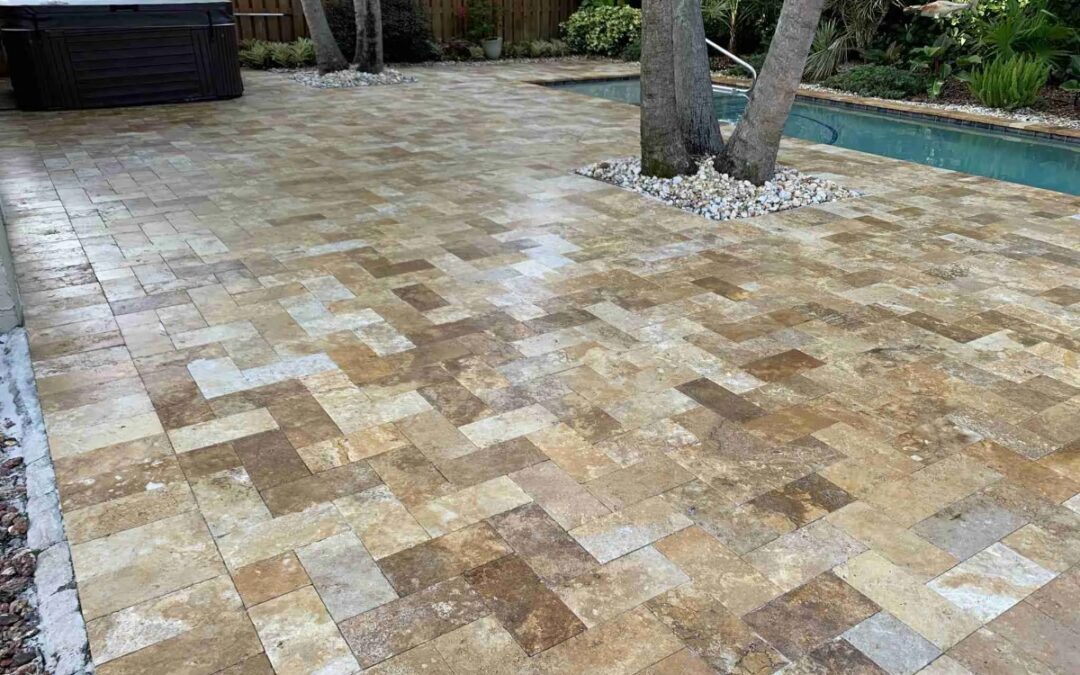
Sealing Stone Tile: Protect and Preserve Your Natural Stone Surfaces
Natural stone is one of the most beautiful and valuable materials you can have in your home or outdoor space. From elegant marble floors to durable granite countertops and rustic travertine patios, stone surfaces bring character and timeless appeal. But without proper...